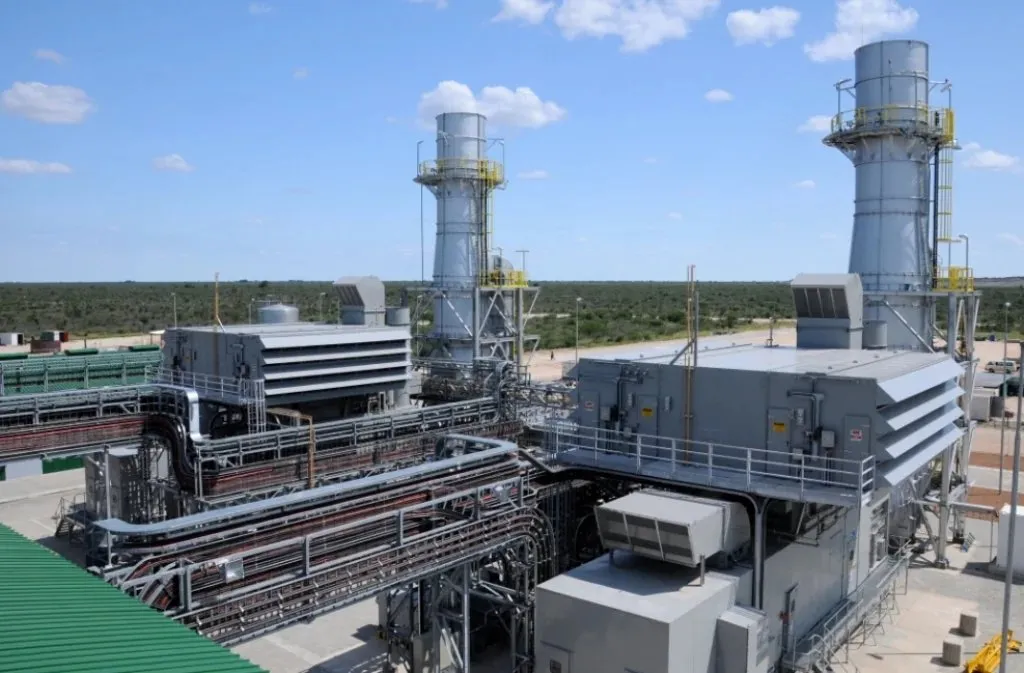
Anthropic has reportedly agreed to pay about 3.4 billion dollars for gas-fired generators capable of producing 1.7 gigawatts of electricity, in what the Financial Times described as the largest known single purchase of power-generation equipment by an AI lab. The newspaper reported the agreement on Sunday, November 8, and TechCrunch followed the story on Monday, as the competition among AI companies shifted further from chips and models toward a more basic input: electricity itself.
According to the Financial Times, the agreement was struck in late September and covers heavy-duty Caterpillar generators that OnePWR Solutions, an equipment and power developer based in San Antonio, Texas, had ordered about two years ago. OnePWR needed financing to complete those orders. Anthropic had originally planned to buy electricity from OnePWR as a customer, the report said, before taking over the generator commitments itself. The deal reportedly includes the engineering and construction work needed to install the equipment, but Anthropic did not acquire OnePWR, and none of the supplier's employees transferred to the AI company.
One separate disclosure points in the same direction. Piper Sandler, which advised OnePWR, lists a 3.4 billion dollar sale of OnePWR's power generation platform to a frontier AI lab among its completed transactions. Even so, readers should treat the details as reported rather than confirmed. Neither Anthropic nor OnePWR responded to requests for comment, and Reuters, which carried the Financial Times report, said it could not immediately verify it. No installation sites and no delivery schedule have been disclosed.
The reported purchase would be a sharp change in method for Anthropic, a company that has generally preferred to rent computing power rather than buy physical infrastructure. In its S-1 filing in May, the company disclosed that it is paying xAI, the SpaceX subsidiary, 1.25 billion dollars per month through May 2029 to use xAI's computing power, and it told investors to expect additional similar services contracts. Buying generators outright moves the company in the opposite direction, from renting capacity toward owning a piece of the power supply behind it.
The reason is timing. The backlog for natural gas turbines now stretches into the early 2030s, and the queues to connect new data centers to the electrical grid can be just as long. A lab that waits for a utility connection or a new turbine order risks waiting years for power it needs now. Taking over orders placed two years ago is a way to jump that queue, securing equipment expected to become available far sooner than a fresh order would.
Anthropic would hardly be alone. Google, Amazon, Microsoft and Meta have all announced plans to build large natural gas power plants on site at their data centers rather than draw everything from the public grid, and the broader buying spree has revived demand across the gas industry. At 1.7 gigawatts, the reported Anthropic capacity is roughly enough electricity to power more than a million homes, which gives a sense of the scale a single frontier lab now expects to need.
The bet carries its own risks. A fleet of gas generators ties a large share of Anthropic's future power costs to natural gas prices, which can swing sharply, and it sits uneasily alongside the industry's public climate commitments. For now, though, the reported deal sends a clear signal about where the AI race is being fought. The scarcest resource is no longer only advanced chips or talented researchers. Increasingly, it is power that can be delivered on schedule, and Anthropic appears willing to spend billions to make sure it has some.