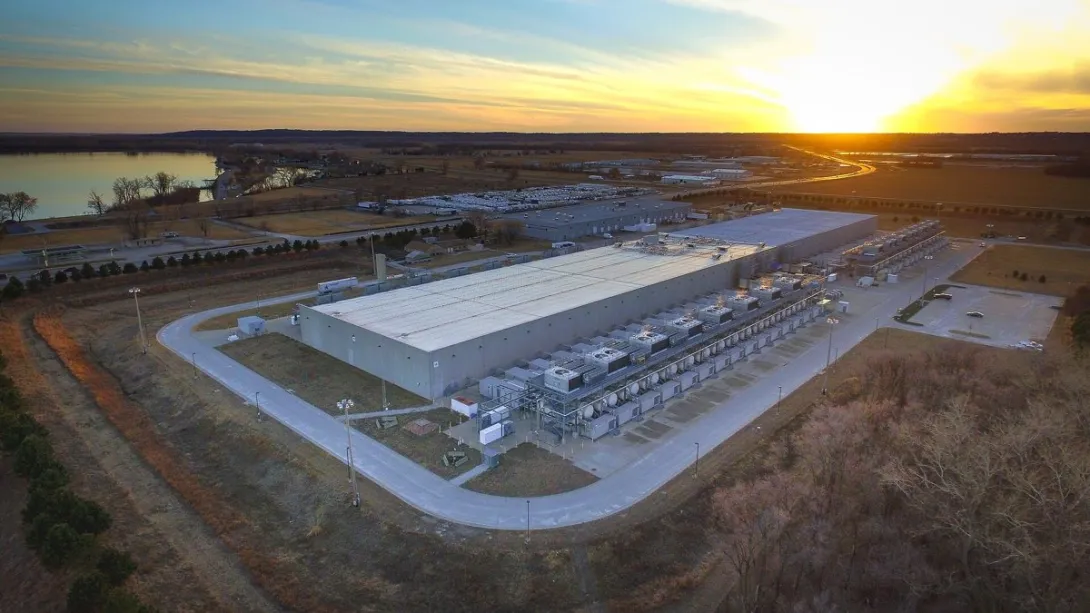
The artificial intelligence buildout met its clearest political test yet on Tuesday, and voters were not persuaded. In 41 local ballot measures across 10 states on November 3, voters backed restrictions on data centers or rejected proposals that would have helped them get built in 40 cases, according to an analysis by Ballotpedia and results compiled by CNBC. The results, still unofficial, covered bans, moratoriums, zoning changes and requirements for public votes on large projects.
Ohio, a major hub for data center development, accounted for 21 of the measures, more than any other state, followed by Illinois with seven, Maine with four and Kansas with three. The margins were often wide. In Ohio, voters in Granville backed a charter amendment by 82.45 percent to 17.55 percent, voters in Pataskala approved a similar amendment by 73.62 percent to 26.38 percent, and voters in Ashville rejected a data center referendum, with 81.61 percent voting against it. In Defiance, a charter amendment restricting construction passed with 64.73 percent. In Emporia, Kansas, voters passed a ban on high impact data centers, defined in part by a peak electrical load above 10 megawatts or a daily water draw above 100,000 gallons, with just over 60 percent.
The only exception was Harwood, North Dakota. There, about 75 percent of the 430 voters rejected a city charter amendment that would have required an independent review and a public hearing before large industrial projects, including data centers, could be adopted. That proposal would have applied to future projects, not to an already approved Applied Digital campus.
The concerns behind the votes were consistent across regions: higher electricity bills, water use, land use, noise and a sense that deals between local governments and developers had been reached without enough public scrutiny. Some measures were advisory and not binding, but the political signal was broad. An election day poll cited by several outlets found that 56 percent of voters considered artificial intelligence and data centers a crucial or major factor in their vote. A separate Washington Post report said voters in at least 38 jurisdictions passed measures limiting or blocking data centers.
The industry felt the message quickly. On Thursday, November 5, OpenAI published a National Community Compact and a Compute Campus Policy Blueprint for the data centers it owns and operates. The company pledged to pay the full cost of the electricity it uses and of the grid buildouts and upgrades needed to serve its facilities, to publish site level water and electricity use, and to stop requiring public officials to sign non-disclosure agreements. It also promised a water plan for each site, with a preference for closed-loop or low-water cooling, independent noise studies, published construction plans and financial assurances to protect other utility customers if a project is delayed or canceled.
OpenAI said the blueprint had been in development for months, a point also reported by Bloomberg, and it urged lawmakers to turn similar standards into policy for the wider industry. Its chief global affairs officer, Chris Lehane, told reporters the blueprint lays out the best lessons the company has learned. More votes are still ahead, including referendums in Arkansas on December 1 and a proposed ban in Mandan, North Dakota, on December 15. For now, the lesson of this week is simple: building the infrastructure for artificial intelligence now requires winning over the communities asked to host it, not just securing the land and the power.