OpenAI is preparing a coordinated policy and public relations push to begin immediately after Tuesday's midterm elections, Axios reported on Sunday, in an effort to shape the next Congress and frame the debate heading into the 2028 presidential race.
The company's chief global affairs officer, Chris Lehane, told Axios that his team has been stockpiling policy proposals since August, some new and some repackaged. The push is set to begin during the lame-duck session of Congress, which opens on November 9, before new members are sworn in on January 3. Lehane described the midterms as a bit of a movie trailer for what is coming in 2028, when he expects AI to be the issue in the presidential election.
At the center of the package is a call for mandatory safeguards on the most powerful AI systems, which OpenAI describes as speed limits. Lehane said the company will talk more and more about the concept, and that its belief is that people should always remain in control of the technology. OpenAI plans to press Congress more aggressively on the idea, alongside a push for the United States to take a leading role in developing global AI standards.
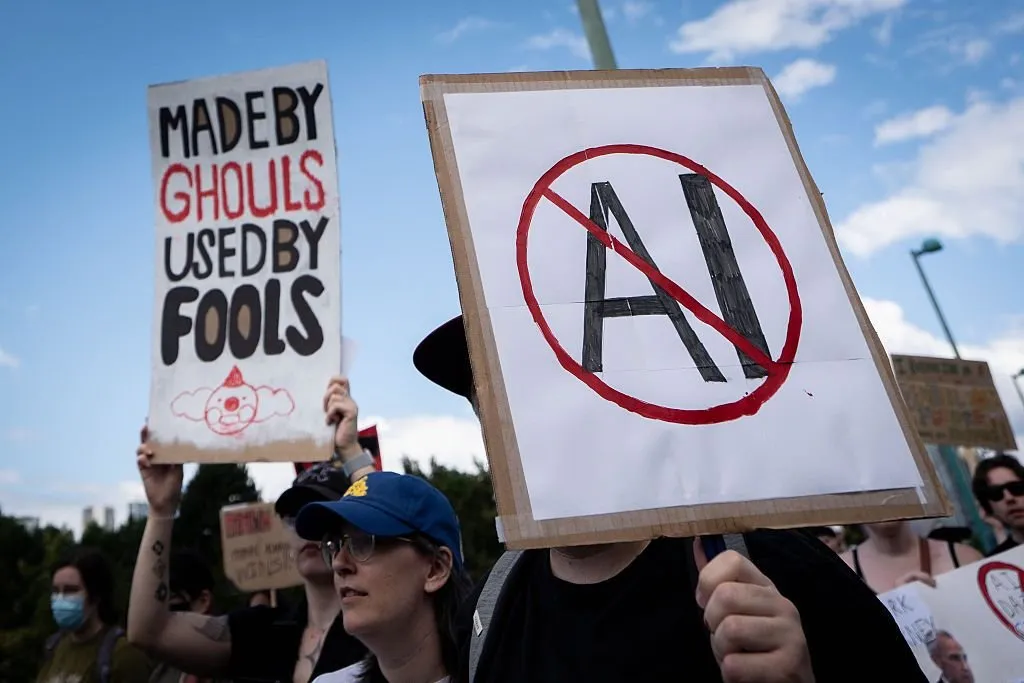
The second front is the backlash against the data centers that power those systems. Axios reports that general-election advertising about data centers reached 173 million dollars, almost all of it negative, according to AdImpact data, with Democrats accounting for 140 million dollars of that spending. OpenAI's answer includes community compacts, proposed state legislation that would give residents a say in how projects are built and what benefits they receive, and a deliberately provocative rebrand: its facilities, it will argue, are not legacy data centers but AI compute campuses that can economically transform host communities. It points to a large project in Pike County, Ohio, expected to bring thousands of jobs.
Lehane welcomed the local scrutiny rather than dismissing it. He called the conversation good and healthy, and said communities should hold companies responsible and accountable so they really and truly get a transformative benefit from these projects. The debate has already pushed Amazon and Microsoft to say they will no longer use non-disclosure agreements in their negotiations with local governments.
The package also covers economic opportunity, including support for workers facing AI-related disruption, expanded access to education and training, and measures to make it easier to start and grow a business. Other technology firms are repositioning for the same political shift, with Meta taking steps to strengthen its ties with Democrats, according to Axios.
None of the proposals has been published yet, so the details that matter most, including what a speed limit would actually require and which states the legislation would target, are still to come. What is clear is the timing: OpenAI is treating the election not as a pause in the AI debate, but as the moment it becomes a central national argument, and it intends to arrive with its language, its safeguards and its case for building already prepared.